




What Is Teen Mental Health Intensive Outpatient?
Teen Mental Health Intensive Outpatient Program (IOP) is a structured clinical treatment model that delivers meaningful psychiatric support for adolescent mental health conditions — without requiring your teen to live at a treatment facility. Your child attends scheduled therapy sessions during designated hours, typically in the evenings or at flexible daytime times, then returns home to family and the rhythms of everyday life.
What Teen Mental Health IOP at Guardian Recovery Provides:
- Structured treatment sessions running 3 hours per day, three to five days per week, designed specifically for adolescents
- The ability to live at home with family while receiving intensive clinical care from behavioral health professionals trained in teen development
- Group therapy with other teens, individual counseling, and psychiatric support — all adapted for adolescent mental health needs
- Evidence-based treatment built to fit around school schedules, family obligations, or part-time work
- The flexibility to honor daily responsibilities while making mental health a priority during this critical developmental period
- Real-world practice of coping skills between sessions, supported by clinicians who specialize in adolescent care
- Integrated treatment for co-occurring substance use disorders, which frequently accompany teen mental health conditions
Think of Teen IOP as intensive clinical support paired with immediate real-world application.
Your teen develops mental health skills inside each session and practices them right away — at home, at school, with peers — with adolescent-specialized clinicians checking in regularly to track progress and reinforce growth.
Is Our New Jersey Teen Mental Health IOP Right for Your Child?
Guardian Recovery’s Teen Mental Health IOP serves adolescents at a range of points in their mental health journey, with programming specifically designed around teen developmental needs and the challenges unique to this life stage.
Your teen may be a strong candidate for IOP if:
Your Teen Is Stepping Down from a Higher Level of Care:
- Your child has completed inpatient hospitalization or PHP and is ready for increased independence while maintaining clinical structure
- Acute symptoms have stabilized, but ongoing intensive support is still needed during this vulnerable developmental period
- Your teen is prepared to practice new skills in daily life with continued professional guidance from clinicians who understand adolescent development
- Your child wants to keep building momentum while taking on more age-appropriate responsibilities
Your Teen Is Beginning Treatment at the IOP Level:
- Your child is experiencing mental health symptoms that are interfering with functioning at school or at home
- Your teen needs structured treatment, but hospitalization or PHP-level care is not clinically indicated
- Symptoms are significant but your teen is not in acute crisis
- Your child has a stable home environment with family support in place
- Your teen can manage the days between sessions using safety plans, coping tools, and parental involvement
Outpatient Therapy Is No Longer Enough:
- Standard weekly therapy isn’t providing adequate structure or clinical containment for your adolescent
- Symptoms have continued to worsen despite less intensive treatment
- More frequent clinical contact and skill-building are needed during this critical developmental window
- Your child benefits from group therapy and the peer connection it creates with other adolescents
- Your teen is at risk of hospitalization without a meaningful increase in support
Your Teen Can Continue Managing Daily Responsibilities:
- Your child has school, family obligations, or part-time work they need to maintain
- Your teen needs treatment that integrates with their schedule while keeping them connected to age-appropriate activities
- Your family has reliable transportation to attend sessions consistently
- Your teen can apply coping and safety strategies between sessions with parental support
- Your child is capable of practicing recovery skills with guidance appropriate to their developmental stage
Your Teen Is Navigating Co-Occurring Conditions:
- Your child is managing both mental health challenges and substance use concerns
- Integrated treatment for both conditions — with specialized adolescent dual diagnosis expertise — is essential
- Substance use is actively affecting your teen’s mental health treatment during this vulnerable developmental period
- Dual diagnosis care trained in adolescent development is required
Mental Health Conditions Treated in Teen IOP
Guardian Recovery’s Teen Mental Health IOP addresses a comprehensive range of psychiatric disorders that frequently emerge — or intensify — during the adolescent years.
We provide intensive adolescent treatment for:
Mood Disorders:
- Major Depressive Disorder in adolescents
- Persistent Depressive Disorder (Dysthymia) in young people
- Bipolar I and Bipolar II Disorder, which often surface for the first time during adolescence
- Mood disorders with anxious distress in teens
- Treatment-resistant depression in the adolescent population
Anxiety Disorders:
- Generalized Anxiety Disorder (GAD) in adolescents
- Panic Disorder and recurrent panic attacks in young people
- Social Anxiety Disorder during this socially formative developmental period
- Specific Phobias in teens
- Health Anxiety in adolescents
- Agoraphobia in young people
Trauma and Stress-Related Disorders:
- Post-Traumatic Stress Disorder (PTSD) in adolescents
- Complex PTSD (C-PTSD) in young people
- Acute Stress Disorder in teens
- Adjustment Disorders in adolescents navigating major life transitions
Obsessive-Compulsive and Related Disorders:
- Obsessive-Compulsive Disorder (OCD) in adolescents
- Body-Focused Repetitive Behaviors in young people
- Hoarding Disorder in teens
Eating Disorders in Adolescents:
- Anorexia Nervosa in teens
- Bulimia Nervosa in adolescents
- Binge Eating Disorder in young people
- Other specified feeding and eating disorders in teens
Personality Disorders Emerging During Adolescence:
- Borderline Personality Disorder (BPD) in teens
- Other personality disorders that are interfering with functioning during this developmental period
Co-Occurring Substance Use Disorders:
- Any of the above mental health conditions occurring alongside addiction in adolescents
- Fully integrated dual diagnosis treatment by specialists in teen co-occurring disorders
Not sure whether your teen’s specific presentation qualifies for IOP? Our admissions team will conduct a thorough clinical assessment of your child’s needs and identify the most appropriate level of adolescent care.
What Families Can Expect from Guardian Recovery’s New Jersey Teen Mental Health IOP
Before Treatment Begins
When you reach out, our admissions team will:
- Complete a comprehensive clinical and psychiatric evaluation tailored to adolescent patients
- Review your teen’s mental health history, current symptoms, school situation, and any prior treatment
- Discuss your child’s living situation, family support system, daily responsibilities, and family dynamics
- Screen for co-occurring substance use or medical conditions common in the adolescent population
- Evaluate your teen’s safety profile and ability to manage between sessions with family support in place
- Verify behavioral health insurance benefits and explain all associated costs clearly
- Answer every question your family has about the teen-specific program structure and expectations
- Help identify a schedule that works for your child’s life and your family’s needs
We confirm IOP is the right clinical fit for your teen before treatment begins.
Your Teen’s First Week
Initial Assessment:
- Comprehensive intake with your teen’s primary therapist, trained in adolescent behavioral health
- Development of a personalized treatment plan built around your child’s unique adolescent needs
- Psychiatric evaluation for teens who require medication management, with careful attention to adolescent development
- Review of program expectations, schedule, and goals framed appropriately for your child’s developmental stage
- Introduction to therapy groups alongside other adolescents
Building a Safety Plan:
- Develop detailed, age-appropriate crisis plans collaboratively with your teen
- Identify triggers and warning signs specific to teen life — including school pressure, peer dynamics, social media, and family stress
- Establish emergency contacts and crisis resources, including family members and local supports
- Practice knowing when and how to reach out for help between sessions
- Build a practical toolkit of coping strategies that teens can genuinely use when distress spikes
Getting Oriented:
- Meet your teen’s treatment team and the other group members — fellow adolescents navigating similar challenges
- Understand the structure and flow of sessions, designed with teen engagement in mind
- Begin clarifying personal goals and challenges relevant to your child’s age and developmental stage
- Start building peer connections with others facing similar struggles during this socially important period of life
- Develop a clear picture of what progress looks like inside Teen IOP
Many teens feel nervous walking into a group for the first time — and that’s completely normal.
Our facilitators are trained in adolescent engagement and create a welcoming, psychologically safe environment. Most teens quickly recognize that everyone in the room is there for the same reason: to build healthier coping skills and stronger emotional wellness during a challenging developmental period.
What Happens During Teen IOP Sessions
Each 3-hour session is deliberate and purposeful — structured to maximize your teen’s learning and growth using age-appropriate content and engagement strategies.
Typical Teen Session Flow
Check-In (15–20 minutes)
- Share how things have gone since the last session — school, family, peer dynamics, and symptoms
- Discuss any challenges, setbacks, or wins relevant to teen life
- Rate current mood and anxiety levels
- Review coping skill use at school and at home
- Set intentions for the session ahead
- Build peer accountability within the group
Main Therapy Block (90–120 minutes)
- Group Therapy: Core therapeutic work alongside your cohort of adolescent peers
- Skill-Building: Practicing emotional regulation and coping strategies teens can apply immediately
- Psychoeducation: Learning about mental health, adolescent brain development, symptoms, and treatment
- Process Work: Exploring emotions, relationships, family dynamics, and the underlying issues common in adolescence
- Experiential Activities: Mindfulness exercises, role-plays, or creative therapies that actively draw teens in
Closing & Planning (15–20 minutes)
- Summarize key insights and takeaways from the session
- Assign therapeutic homework or between-session practice appropriate for teens
- Review safety plans and coping strategies for home and school before the next session
- Address any immediate concerns
- Confirm attendance for the next session
Break time is built in for restroom use, refreshments, and the kind of informal peer connection that is especially meaningful during adolescence.
Treatment Components Inside Teen Mental Health IOP
Group Therapy for Teens: The Foundation of IOP
Group therapy is the primary treatment modality in Teen Mental Health IOP — and it is particularly powerful for adolescents who are navigating this socially critical developmental stage.
Group formats your teen will experience:
Dialectical Behavior Therapy (DBT) Groups for Teens: Build emotional regulation skills for managing the intense feelings characteristic of adolescence. Develop distress tolerance for navigating the frequent crises of teen life. Practice interpersonal effectiveness in peer and family relationships.
Cognitive Behavioral Therapy (CBT) Groups for Teens: Identify the unhelpful thought patterns that amplify symptoms, particularly common in adolescents. Learn to challenge and reframe cognitive distortions typical during this developmental period. Strengthen problem-solving skills applied to teen-specific challenges.
Process Groups for Teens: Open up about personal experiences in a safe, supportive space alongside other adolescents. Receive genuine validation and feedback from peers who understand what this developmental stage actually feels like. Recognize that your teen is not alone in what they’re facing.
Symptom-Specific Groups for Teens:
- Anxiety Management: Relaxation techniques, breathing exercises, and exposure strategies teens can use at school and with peers — alongside tools for challenging the anxious thoughts common during adolescence
- Depression Skills: Behavioral activation, identifying and reframing depressive thinking, and building routine and structure for teens — with a focus on increasing positive activities appropriate for adolescents
- Trauma Processing: Understanding trauma responses in developing brains, learning grounding techniques, and beginning safe, age-appropriate processing of traumatic experiences
- OCD and Intrusive Thoughts: Exposure and response prevention (ERP) adapted for teens, compulsion management, and building tolerance for uncertainty during this developmental period
- Panic Attack Management: Understanding panic physiology in adolescent bodies, graduated exposure to feared sensations, and confidence-building during this vulnerable life stage
Psychoeducation Groups for Teens: Learn about your teen’s diagnosis and symptoms through accurate, age-appropriate education. Explore how the adolescent brain develops and how mental health conditions take shape during this critical period. Replace shame and misinformation with factual, empowering knowledge.
Wellness and Life Skills Groups for Teens: Build healthy daily habits that actively support adolescent mental health. Explore how sleep hygiene, nutrition, exercise, and self-care affect growing bodies and minds. Develop sustainable routines and structure that reinforce teen wellness over the long term.
Relapse Prevention for Teen Mental Health: Identify early warning signs of symptom escalation specific to teen life. Develop comprehensive personal wellness plans with practical coping strategies teens can genuinely use. Build the resilience appropriate for this stage of adolescent development.
Why group therapy is especially powerful for adolescents:
- Your teen realizes they are not alone — others in the group genuinely understand what this developmental period feels like
- They learn from the experiences and perspectives of peers navigating similar challenges
- Giving and receiving support builds authentic connection and reduces the isolation so common during adolescence
- Interpersonal skills are practiced in a safe, therapeutic environment — a critical developmental need for teens
- Accountability is built naturally through peer relationships grounded in shared experience
- Friendships form with people who truly understand the experience of managing mental health during adolescence
Individual Therapy and Counseling for Teens
While group therapy anchors IOP, individual counseling provides personalized support tailored precisely to your teen’s unique needs.
Frequency: Typically 1 session per week, 45–60 minutes, structured for adolescent engagement
Individual therapy gives your teen space to:
- Process personal issues that are too private or nuanced for group settings
- Work toward goals specific to their situation — including school, family, and peer dynamics
- Receive individualized feedback and clinical guidance appropriate for their developmental stage
- Explore family, relational, or trauma-related material in greater depth using teen-appropriate approaches
- Build out their personal wellness and safety plans for real life
- Check in on progress and refine their treatment plan as they grow and evolve
- Work through emotions that require more focused, one-on-one therapeutic attention during this vulnerable developmental period
Your teen’s individual therapist is their clinical advocate — the person who holds the full picture of your child’s story and helps them navigate their unique path toward lasting wellness.
Adolescent Psychiatric Services and Medication Management
Teen Mental Health IOP includes comprehensive psychiatric care for medication needs, delivered with specialized attention to adolescent development and physiology.
Psychiatric services include:
- Initial psychiatric evaluation to assess medication needs, with expertise in adolescent mental health
- Diagnosis confirmation and treatment recommendations appropriate for developing adolescents
- Medication management — initiating, adjusting, or monitoring psychiatric medications with careful consideration of adolescent bodies and brains
- Regular follow-up appointments to evaluate medication effectiveness and side effects in teen patients
- Age-appropriate education for your teen about their medications and what to expect
- Coordination with your teen’s therapist to ensure fully integrated care
- Management of complex medication regimens for adolescent patients with multiple needs
Frequency: Initial evaluation, then typically monthly or as clinically indicated for adolescent patients
Medications commonly managed in Teen IOP include:
- Antidepressants (SSRIs, SNRIs, and related agents) dosed appropriately for adolescents
- Anti-anxiety medications prescribed with appropriate caution for young people
- Mood stabilizers for teens
- Antipsychotics (for mood disorders, OCD, or other conditions) with close monitoring protocols for adolescent patients
- Sleep support medications suited to developing adolescents
- ADHD medications common in the teen population
This is fully integrated care — your teen’s psychiatrist and therapist work in active collaboration to ensure medication and therapy reinforce one another throughout the course of adolescent treatment.
Case Management and Care Coordination for Teens
Your teen’s dedicated case manager works to ensure that every dimension of life outside the therapy room is actively supporting their mental health — from school coordination to family dynamics to practical logistics.
Case management services include:
- Coordinating care across all providers involved in your teen’s treatment — therapist, psychiatrist, medical doctor, and school counselors
- Connecting your family with community resources including support groups, educational support services, family services, and youth programs
- Assisting with insurance navigation, disability applications, or financial concerns related to adolescent treatment
- Planning for continuing care after IOP, including school reintegration support
- Advocating for your teen’s needs within school systems and other institutional settings
- Addressing practical barriers to consistent treatment attendance — including transportation and scheduling challenges
- Helping your family navigate the broader life circumstances that are affecting your child’s mental health
Think of your teen’s case manager as the person who handles everything outside of therapy that shapes your child’s overall wellness.
Family Involvement and Parent Support
When appropriate and desired, Teen IOP actively incorporates family participation — a component that is often critical to adolescent mental health recovery.
Family programming may include:
- Education sessions for parents and caregivers about adolescent mental health conditions and development
- Family therapy sessions aimed at improving communication and repairing relationships affected by your teen’s symptoms
- Support for family members who are themselves carrying the weight of a loved one’s mental health challenges
- Practical guidance on how family can be meaningfully supportive without overstepping appropriate developmental boundaries
- Addressing and healing the relational wounds that contribute to your teen’s symptoms
Recovery is relational — especially for adolescents.
Bringing family into the process, when it is healthy and clinically appropriate to do so, measurably improves outcomes for teens who are still growing and developing within family systems.
Therapeutic Homework and Between-Session Practice for Teens
Mental health skills only become effective through consistent practice outside of sessions — and this is especially true for adolescents who are actively building new habits during a formative developmental period.
Between-session assignments might include:
- Journaling about thoughts, emotions, or triggers in formats that actually engage teens
- Practicing DBT or CBT skills in real moments of distress at school or at home
- Completing thought records or behavioral activation schedules appropriate for adolescents
- Using mindfulness or relaxation techniques daily to manage the stress of teen life
- Engaging in opposite action or exposure exercises that teens can realistically do on their own
- Reading assigned educational materials about their condition, written at an appropriate level for adolescents
- Tracking mood, anxiety, sleep, or other symptoms relevant to teen life between sessions
- Reaching out to supportive people — including healthy peers — when struggling
The work your teen does between sessions is just as important as the work they do inside them.
IOP isn’t simply about showing up — it’s about actively bringing what’s learned in the room into real life at school, at home, and with peers.
How Long Does Teen IOP Last?
The duration of Teen Mental Health IOP varies based on individual clinical needs, rate of progress, and developmental stage.
Most adolescents participate in IOP for 8–12 weeks, though the actual length may vary based on:
- Your teen’s specific clinical needs and rate of symptom improvement
- The severity and complexity of your child’s mental health condition
- The presence of co-occurring substance use or medical issues
- Prior treatment history
- Your teen’s stability and readiness to step down while maintaining school and family responsibilities
- The extent of behavioral health benefits under your insurance plan
Your teen’s treatment team reviews progress on a regular basis and makes recommendations based on your child’s individual clinical journey and developmental needs — not an arbitrary timeline.
Life After Teen IOP: Sustaining the Momentum
Teen IOP is not the finish line — it is a pivotal phase in your child’s longer mental health journey. Research consistently shows that continued support following intensive treatment significantly improves long-term outcomes for adolescents.
Stepping Down to Traditional Outpatient Therapy
When your teen has achieved their IOP treatment goals, they will typically transition to:
Outpatient Therapy for Teens:
- Individual therapy one to two times per month with providers experienced in adolescent mental health
- Periodic group sessions or clinical check-ins as desired alongside other teens
- Continued psychiatric care for medication management with attention to adolescent development
- Meaningful ongoing support at a lower level of clinical intensity
- A gradual reduction in formal treatment as your teen builds independence appropriate to their age and developmental stage
Your teen carries forward the skills developed in IOP while taking increasing ownership of their own mental wellness.
Guardian Recovery Alumni Programming
Our alumni community provides sustained connection, support, and resources for young people continuing their wellness journey through adolescence and into adulthood.
Recovery is lifelong — and so is our commitment to the teens who come through our doors.
Teen IOP vs. Other Levels of Care
Understanding where IOP fits in the continuum of adolescent mental health care helps clarify its role in your teen’s treatment journey.
How Teen IOP Differs from PHP (Partial Hospitalization):
PHP: 5–6 hours daily, 5–7 days per week — hospital-level intensity for teens, limited independence, designed for acute crisis stabilization
IOP: 3 hours daily, 3–5 days per week — structured but less intensive for adolescents, emphasizes real-world skill application, designed for stabilization and ongoing growth
Teen IOP offers more flexibility but requires greater self-management between sessions — appropriate for adolescents who are ready for more independence while still benefiting from consistent clinical support.
How Teen IOP Differs from Inpatient Hospitalization:
Inpatient: 24/7 intensive care for teens — live-in treatment setting, for acute crisis or immediate safety concerns, maximum clinical structure
IOP: Part-time treatment for adolescents — live at home with family, focused on symptom management and skill development, moderate clinical structure
Teen IOP allows your child to maintain the meaningful parts of their life — school, family connection, healthy peer relationships — while receiving significant clinical support specialized for adolescents.
How Teen IOP Differs from Traditional Outpatient Therapy:
Traditional Outpatient: Approximately 1 hour per week — minimal structure, primarily individual therapy
IOP: 9–15 hours per week for teens — highly structured, primarily group-based with integrated individual support and meaningful peer connection
Teen IOP delivers far greater intensity, accountability, and skill-building than standard outpatient therapy — a difference that is critical during this vulnerable developmental period.
The appropriate level of care depends on your teen’s symptom severity, safety profile, functional impairment, and developmental stage. Your treatment team will help you determine what is clinically right for your child.
Dual Diagnosis Treatment in Teen Mental Health IOP
The majority of adolescents with mental health disorders also encounter substance use challenges at some point during this developmentally vulnerable period — and treating both conditions simultaneously is essential for lasting wellness.
Guardian Recovery’s Teen Mental Health IOP provides truly integrated dual diagnosis treatment.
We simultaneously treat combinations including:
- Depression and alcohol or drug use in teens
- Anxiety disorders and substance abuse in adolescents
- PTSD and addiction in young people
- Bipolar disorder and substance use in teens
- Eating disorders and substance abuse in adolescents
- Any mental health condition occurring alongside addiction in young people
What integrated dual diagnosis treatment means for your teen:
- Both conditions are addressed within the same program by the same clinical team, trained in adolescent dual diagnosis
- Your teen’s therapist deeply understands how mental health and substance use interact during adolescent development
- Group therapy addresses both emotional regulation and addiction recovery alongside peers facing similar challenges
- Psychiatric care accounts for both diagnoses with careful attention to adolescent physiology
- Skills learned apply across both conditions and are appropriate to your teen’s developmental stage
- Your child never has to choose which condition gets addressed first
For example: If your teen is in IOP for anxiety and also using marijuana to cope, their treatment plan integrates anxiety management skills adapted for adolescents, substance use education on marijuana’s specific effects on the developing brain, an exploration of how anxiety and substance use reinforce one another during this developmental period, and the development of healthier coping strategies teens can genuinely use in real life.
Your teen is treated as a whole person — not as a collection of separate diagnoses — with specialized attention to their unique developmental stage.
Ready to Begin Teen Mental Health IOP at Guardian Recovery?
Wellness is within reach for your child. We know this because we’ve walked this path alongside thousands of adolescents just like yours.
Your teen’s journey toward better mental health can begin today — while they continue attending school, remain with your family, and hold onto the healthy parts of their daily life.
When you call, we will:
- Listen to your teen’s symptoms and struggles without judgment
- Conduct a confidential clinical assessment appropriate for adolescents
- Determine whether IOP is the right level of care for your child’s developmental stage and clinical needs
- Verify your insurance coverage for adolescent behavioral health treatment and explain all costs clearly
- Answer every question your family has about teen-specific programming
- Discuss scheduling options that work with your child’s life and your family’s needs
- Move quickly to get your teen started — often within just a few days
You can also reach us by:
- Completing our confidential online callback form about teen treatment
- Chatting live with an admissions specialist on our website about adolescent services
- Emailing us your questions about teen behavioral health care
If your teen is in crisis right now: Call 988 (Suicide & Crisis Lifeline) for immediate support, then contact us to discuss IOP as your teen’s next clinical step.
Don’t wait for symptoms to become unbearable. Don’t convince yourself your child should be able to manage this alone. Don’t let another day pass while your teen struggles without the support they deserve.
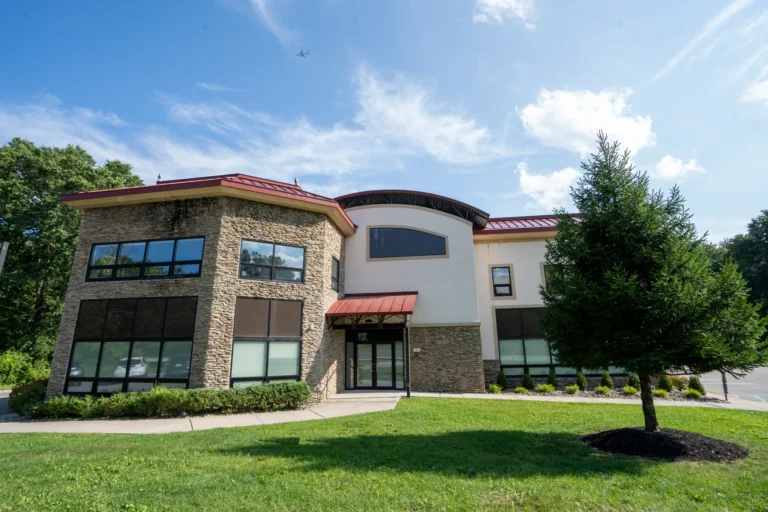
The life you want for your child — free from overwhelming symptoms, grounded in peace and purpose — is genuinely possible. We help adolescents build that life every day at our Montville, NJ behavioral health center.
Teen Mental Health IOP at Montville Adolescent Center: Intensive support. Real-world wellness. Lasting results.
Your teen’s healing begins with a single call. Let’s take that step together — right now.
“`